The Journal · Craft
Amsterdam and the art of the cut
A rough diamond shows almost nothing. It took centuries, and a handful of cities, to learn how to release its light.
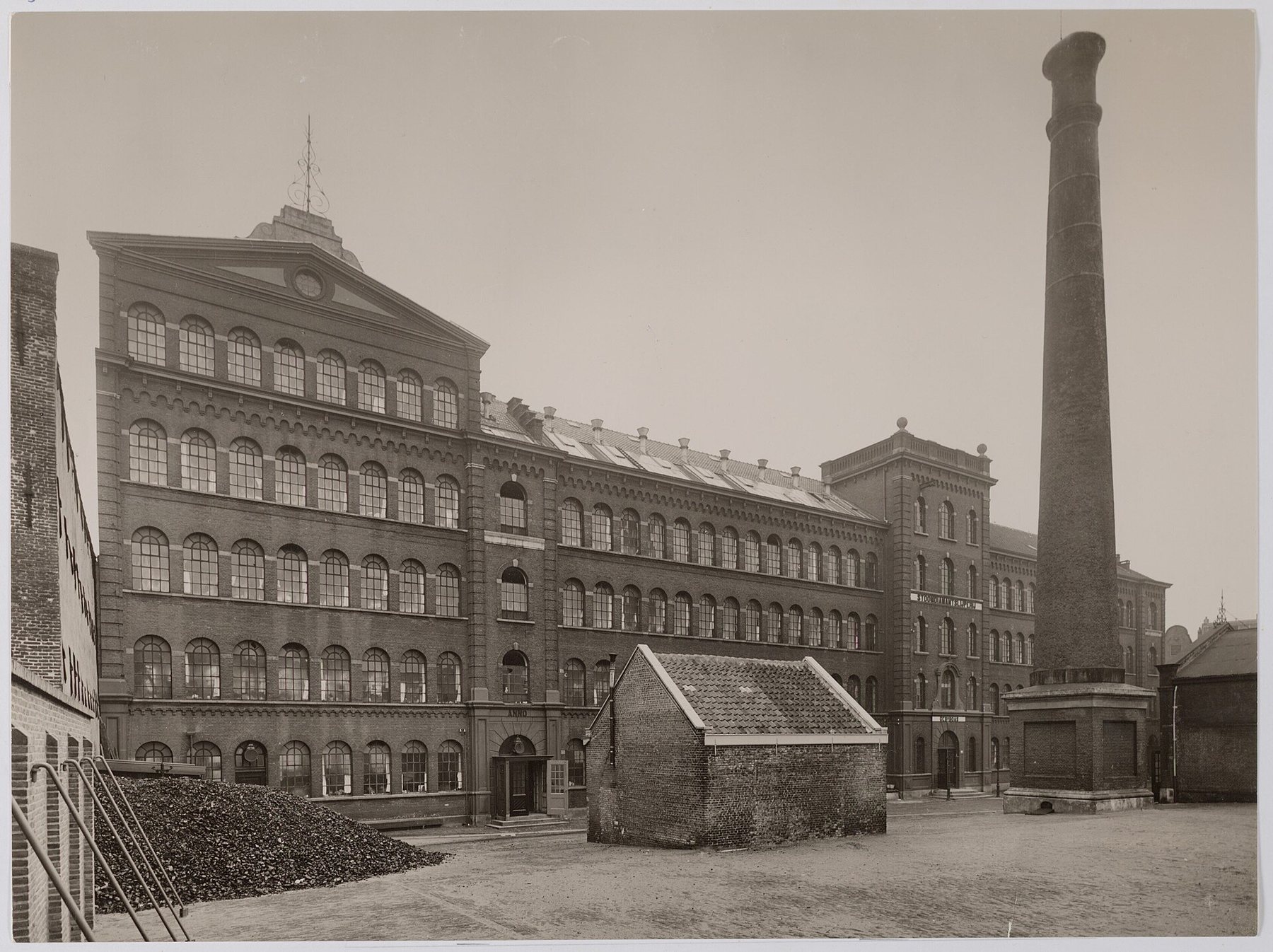
A rough diamond looks like a pebble of glass. Its brilliance does not lie in the stone itself but in the way it is cut, and for most of history nobody knew how to cut it well.
The earliest diamonds were simply polished to improve their natural crystal faces. Cutting with a wheel charged with diamond dust, the only material hard enough to shape a diamond, developed in Europe from the fifteenth century. The scaif, as the wheel is called, is traditionally credited to Lodewyk van Bercken of Bruges, around 1476.
From Bruges to Amsterdam
The trade moved from Bruges to Antwerp, and then to Amsterdam, which became the great centre of diamond cutting in the seventeenth century and remained one into the twentieth. Large works such as the Boas factory, pictured here, brought many cutters and polishers under one roof.
The mathematics of brilliance
In 1902 Joseph Asscher of Amsterdam patented the square cut that bears his name. In 1919 Marcel Tolkowsky, a young diamantaire born in Antwerp, published Diamond Design, working out the angles that return the most light from a round stone. The modern round brilliant has fifty-seven facets, or fifty-eight if the tiny culet at the base is counted.
Every one of them is planned before a single cut is made.
It is the principle our master cutters still work to. Every stone is planned and checked before a single cut is made.