The Journal · Pearls
Mikimoto and the cultured pearl
For most of history a round pearl was a matter of luck. One man in Japan decided to make it a matter of patience.
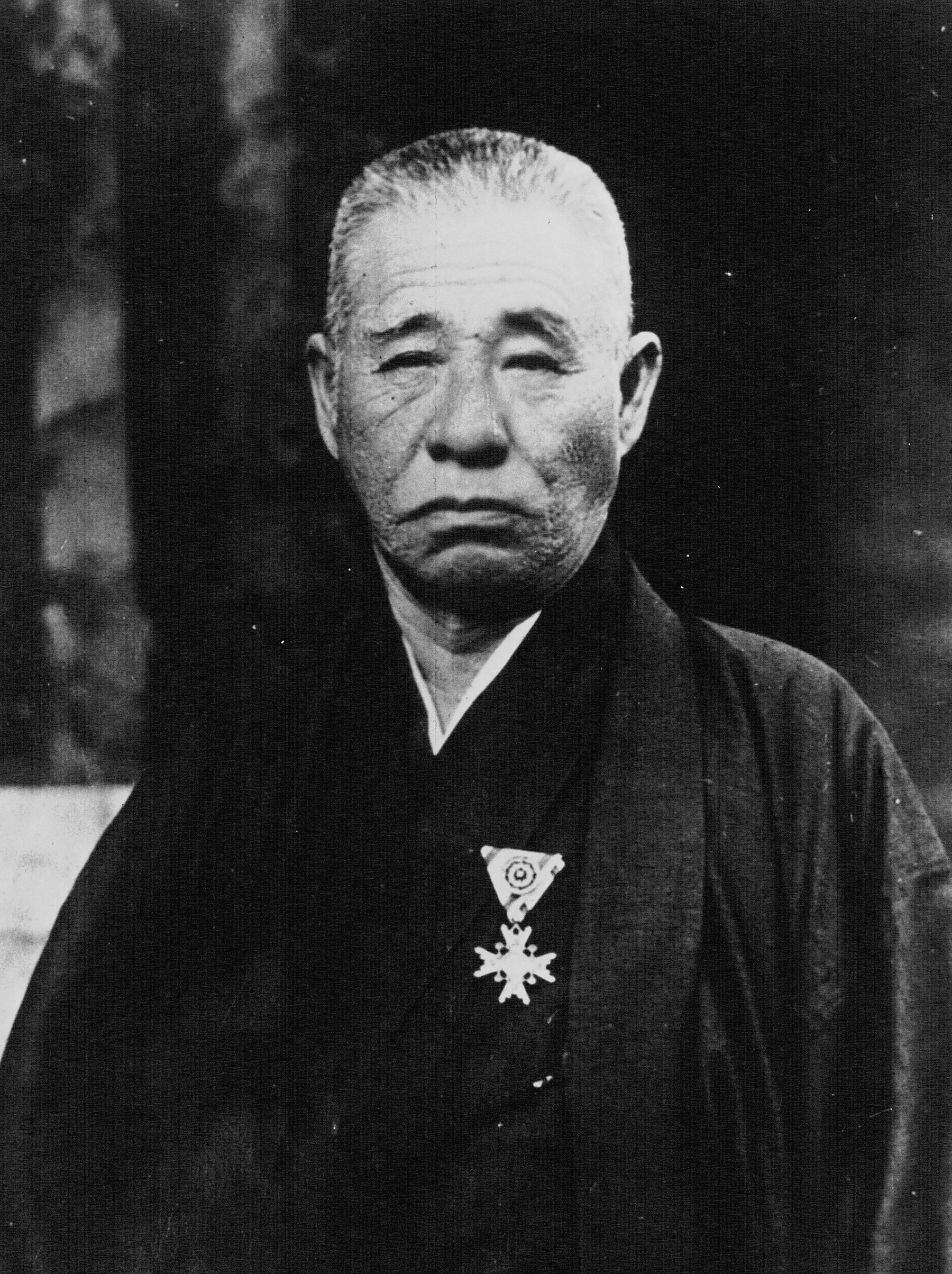
A natural pearl forms by chance inside an oyster. For centuries divers searched the beds of the Persian Gulf and elsewhere, and a strand of matching natural pearls could take years to assemble. In 1917, Cartier acquired its New York building on Fifth Avenue in exchange for a double strand of them.
Kokichi Mikimoto was born in 1858, the son of a noodle maker in Toba, Japan. He began by selling pearls, and became determined to grow them. After years of failure, he produced his first cultured half-pearls in 1893, and spherical ones by 1905.
A new trade
He opened his first shop in Tokyo’s Ginza district in 1899, and shops in Europe and America followed. By the 1920s cultured pearls had changed the trade. Natural pearls became rare and treasured, while fine pearls reached many more people.
Mikimoto died in 1954, at the age of ninety-six.
A good pearl is judged by its lustre, its character and its individuality. Our curated pearl collection is chosen in the same way.